
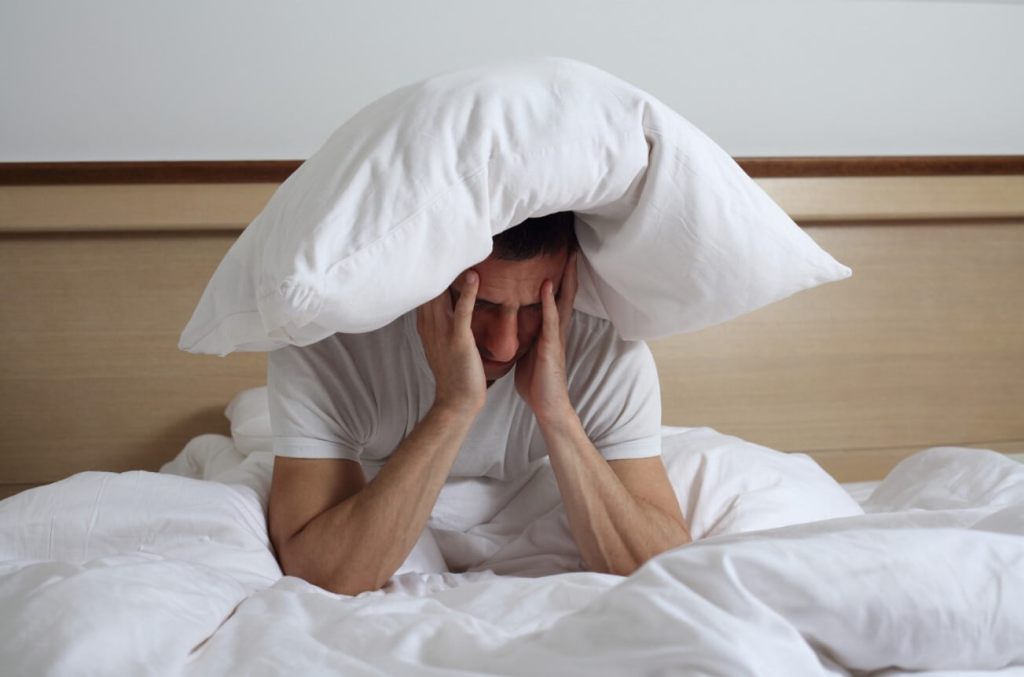
Sleep disorders are increasingly common and can have a profound impact on physical and mental well-being. Poor sleep affects concentration, mood, productivity, and overall health, with chronic sleep issues linked to various health risks like obesity, cardiovascular disease, and even shortened lifespan. Understanding common sleep disorders and solutions is essential for improving sleep quality and health.
1. Insomnia
Insomnia is the inability to fall asleep or stay asleep and affects a significant portion of the population. It can be temporary (lasting a few days or weeks) or chronic (lasting three months or longer). Causes include stress, anxiety, poor sleep habits, and medical conditions.
Solutions:
- Sleep Hygiene: Maintaining consistent bedtimes, avoiding screens before bed, and creating a relaxing bedtime routine can improve sleep quality.
- Cognitive Behavioral Therapy for Insomnia (CBT-I): CBT-I is a proven therapy that addresses thoughts and behaviors affecting sleep.
- Medication: In cases where other methods are ineffective, healthcare providers may prescribe sleep aids. However, these should only be used short-term to avoid dependency.
2. Sleep Apnea
Sleep apnea is a condition where breathing repeatedly stops and starts during sleep. The most common form, obstructive sleep apnea (OSA), occurs when the throat muscles relax too much, blocking the airway. This can lead to loud snoring, gasping for air, and disrupted sleep, leaving sufferers feeling exhausted.
Solutions:
- Continuous Positive Airway Pressure (CPAP): CPAP therapy involves wearing a mask over the nose or mouth that delivers a constant stream of air, keeping the airway open during sleep.
- Lifestyle Changes: Weight loss, avoiding alcohol, and sleeping on one’s side can help reduce sleep apnea symptoms.
- Surgery: In severe cases, surgery to remove tissue or reposition the jaw may be recommended to open the airway.
3. Restless Leg Syndrome (RLS)
Restless Leg Syndrome is a condition characterized by an irresistible urge to move the legs, often accompanied by uncomfortable sensations like tingling or itching. Symptoms usually worsen in the evening or at night, making it difficult to fall asleep.
Solutions:
- Iron Supplements: RLS has been linked to low iron levels, so supplements can help if iron deficiency is the cause.
- Medications: In some cases, medications that affect dopamine levels may reduce symptoms.
- Lifestyle Adjustments: Exercise, avoiding caffeine, and stretching before bed can provide relief for some people with RLS.
4. Narcolepsy
Narcolepsy is a neurological disorder characterized by excessive daytime sleepiness and sudden sleep attacks. People with narcolepsy may also experience muscle weakness (cataplexy) or hallucinations when falling asleep or waking up. Narcolepsy can greatly impact daily life and make it difficult to stay awake and alert.
Solutions:
- Medication: Stimulant medications can help manage excessive daytime sleepiness, while other drugs can control cataplexy and improve night-time sleep.
- Scheduled Naps: Taking short, scheduled naps during the day can help manage daytime sleepiness.
- Sleep Hygiene: Maintaining a consistent sleep schedule and creating a conducive sleep environment can improve night-time sleep quality.
5. Circadian Rhythm Disorders
Circadian rhythm disorders occur when the body’s internal clock is out of sync with the natural day-night cycle. Examples include delayed sleep-wake phase disorder (difficulty falling asleep and waking up at conventional times) and shift work disorder (sleep problems due to irregular work hours).
Solutions:
- Light Therapy: Exposure to bright light in the morning can help reset the internal clock for people with delayed sleep phase disorder.
- Melatonin Supplements: Melatonin, a natural hormone that regulates sleep, can be taken at specific times to encourage sleep onset and improve sleep timing.
- Consistent Routine: Creating and sticking to a sleep routine helps align the circadian rhythm with regular sleep-wake times, even for shift workers.
6. Parasomnias
Parasomnias are abnormal behaviors or movements during sleep, such as sleepwalking, night terrors, and REM sleep behavior disorder (acting out dreams). These disorders can be disruptive and even dangerous, especially if they involve actions like walking, running, or aggressive movements.
Solutions:
- Improving Sleep Hygiene: A calming bedtime routine and stress reduction can reduce the frequency of parasomnia episodes.
- Medication: In severe cases, medications that suppress REM sleep may be recommended.
- Safety Precautions: Securing the sleep environment by removing potential hazards and locking doors can help protect individuals with parasomnias from injury.
Tips for Improving Sleep Quality Naturally
Regardless of the type of sleep disorder, the following sleep hygiene practices can benefit everyone:
- Establish a Routine: Go to bed and wake up at the same time each day to regulate your body’s internal clock.
- Limit Stimulants: Avoid caffeine and nicotine in the hours leading up to bedtime.
- Optimize Your Sleep Environment: Create a cool, dark, and quiet room. Investing in a quality mattress and pillows can improve comfort.
- Limit Screen Time Before Bed: The blue light from phones, computers, and televisions can interfere with melatonin production.
- Exercise Regularly: Physical activity during the day can promote deeper sleep, though intense exercise close to bedtime may be disruptive.
When to Seek Help
If you suspect a sleep disorder is affecting your health and daily life, it may be time to consult a healthcare provider or sleep specialist. They can assess your symptoms, conduct a sleep study if needed, and recommend tailored treatments to help improve your sleep quality and well-being.
 Alternative Medicine